How AI Revolutionizes Personalized Language Learning
Have you ever wondered how artificial intelligence in second language learning is transforming the way we pick up new languages? Imagine a world where your language tutor knows exactly what you need, when you need it. That’s not science fiction—it’s happening right now.

Remember those old-school language classes with textbooks thicker than a brick and grammar drills that could put anyone to sleep? Well, kiss them goodbye! Today’s AI-driven tools are like having a personal linguist who gets your quirks and strengths. It’s as if someone took all the best parts of traditional learning and added rocket fuel.
Picture this: You’re trying to learn Spanish. Traditional methods might have you slogging through verb conjugations for hours on end. But an AI-powered app can assess your progress in real-time, adjusting lessons based on how well you’re doing. If you’re acing vocabulary but struggling with sentence structure, guess what? The app shifts focus immediately to help bridge that gap.
Let me tell you about my friend Jane. She used to struggle with French despite years of classes. Then she tried an AI-based platform that gamified her learning experience—think Duolingo but smarter—and voilà! In just six months, she was chatting away effortlessly during her Paris vacation.
These platforms aren’t just throwing random exercises at learners; they analyze patterns in mistakes and successes alike. This allows them to create customized lesson plans that evolve as the learner progresses. Think of it like having a fitness coach who adjusts your workout plan daily based on how sore or energized you feel.
Now, let’s dive deeper. These AI systems can even pick up on subtleties that a human tutor might miss. For instance, if you consistently confuse similar-sounding words or struggle with certain grammatical structures, the AI will notice and provide extra practice in those areas. It’s like having an eagle-eyed teacher who never misses a beat.
Another cool aspect is how these tools integrate multimedia to keep things lively. Instead of monotonous text-based lessons, you get interactive videos, voice recognition exercises, and even virtual reality scenarios where you can practice real-life conversations without the pressure of messing up in front of native speakers.
Imagine practicing your Mandarin by virtually strolling through a bustling Beijing market! The immersive experience makes learning not just effective but also fun. And let’s be honest—when was the last time you described traditional language classes as “fun”?
And don’t get me started on feedback speed! With AI-driven platforms, feedback is instantaneous. Make a mistake? You’ll know right away and get tips for improvement immediately rather than waiting until your next class or tutoring session.
Let’s talk about accessibility too. Whether you’re at home lounging in pajamas or commuting to work on the subway, these apps are available 24/7 on your smartphone or tablet. It’s like carrying around a pocket-sized language expert wherever you go.
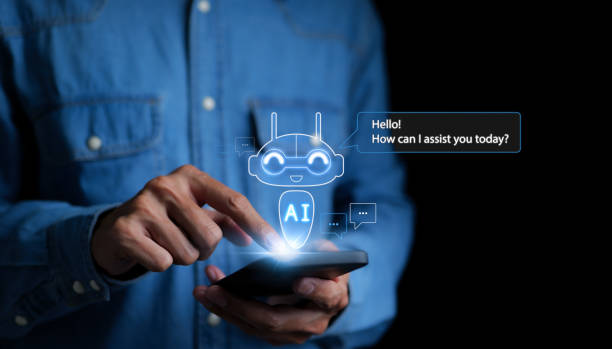
Of course, nothing’s perfect; there are still some kinks to iron out when it comes to pronunciation nuances that only human ears can catch fully accurately. But hey—the tech is evolving rapidly!
How AI is Supercharging Second Language Retention
Learning a new language can feel like climbing Mount Everest. But, thanks to artificial intelligence in second language learning, that climb has become less daunting and more of an exciting adventure. Imagine having a personal tutor who knows exactly where you struggle and what you need to improve on – that’s the magic of AI.
Picture this: you’re trying to learn Spanish, but those verb conjugations keep tripping you up. Traditional methods might have you slogging through endless drills, but AI takes a different approach. It adapts based on your progress, focusing on areas where you’re weak while giving less attention to parts you’ve already mastered. It’s like having a teacher who’s always one step ahead.
One day I was chatting with my friend Maria about her journey learning French using an app powered by artificial intelligence. She told me how it felt almost as if the app could read her mind! Whenever she stumbled over tricky grammar rules or pronunciation quirks, the app would provide extra practice right when she needed it most.
AI doesn’t just throw random exercises at learners; it uses data-driven insights to craft personalized lessons that make sense for each individual user. This means no two people will have identical experiences because everyone learns differently!
Let’s not forget gamification – turning study sessions into games makes them fun rather than tedious chores we dread doing every day (like washing dishes). Apps incorporating elements such as rewards systems encourage consistent practice without feeling forced down our throats by rigid schedules imposed upon us from above (looking at YOU high school teachers).
Maria mentioned how her app had a leaderboard. She found herself competing with friends and strangers alike, turning language learning into a friendly rivalry. This playful competition kept her motivated, even on days when she felt like giving up.
Now, let’s talk about pronunciation – often the Achilles’ heel for many learners. AI-powered tools can analyze your speech in real-time and provide instant feedback. Imagine trying to roll those tricky Spanish “r”s or nail that elusive French nasal sound. With AI’s guidance, you get immediate corrections without the embarrassment of fumbling in front of a classroom full of peers.
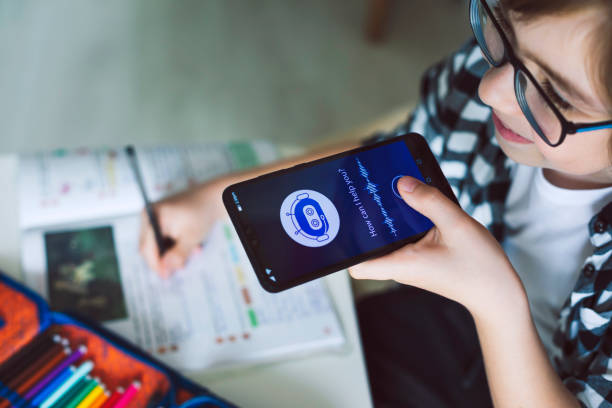
And it’s not just about speaking; listening skills are crucial too! AI algorithms curate audio content tailored to your proficiency level, ensuring you’re neither overwhelmed nor under-challenged. It’s like having an endless library of podcasts designed specifically for you.
Remember my friend Tom? He was always struggling with German grammar rules until he discovered an AI-driven platform that broke down complex sentences into bite-sized chunks he could easily digest (kind of like slicing through a big cake). The platform would then quiz him repeatedly but subtly so it didn’t feel monotonous or repetitive – more like gentle nudges keeping him on track rather than stern reprimands from traditional textbooks.
But here’s where things get really cool: virtual reality combined with artificial intelligence creates immersive environments where learners can practice conversations as if they were actually traveling abroad! Imagine strolling through Parisian streets while practicing ordering croissants at local bakeries without ever leaving home!