Language learning has always been a dynamic field, constantly evolving to incorporate new methodologies and technologies. The advent of Artificial Intelligence (AI) has revolutionized many sectors, and language learning is no exception. AI-powered tools are transforming how we learn, practice, and master new languages. In this article, we explore the future of AI in language learning, highlighting upcoming trends, potential challenges, and opportunities.
Current State of AI in Language Learning
AI has formerly made significant strides in language literacy. Current AI-driven applications include:
- Language Translation Tools:AI-powered translators like Google Translate use neural networks to provide accurate translations.
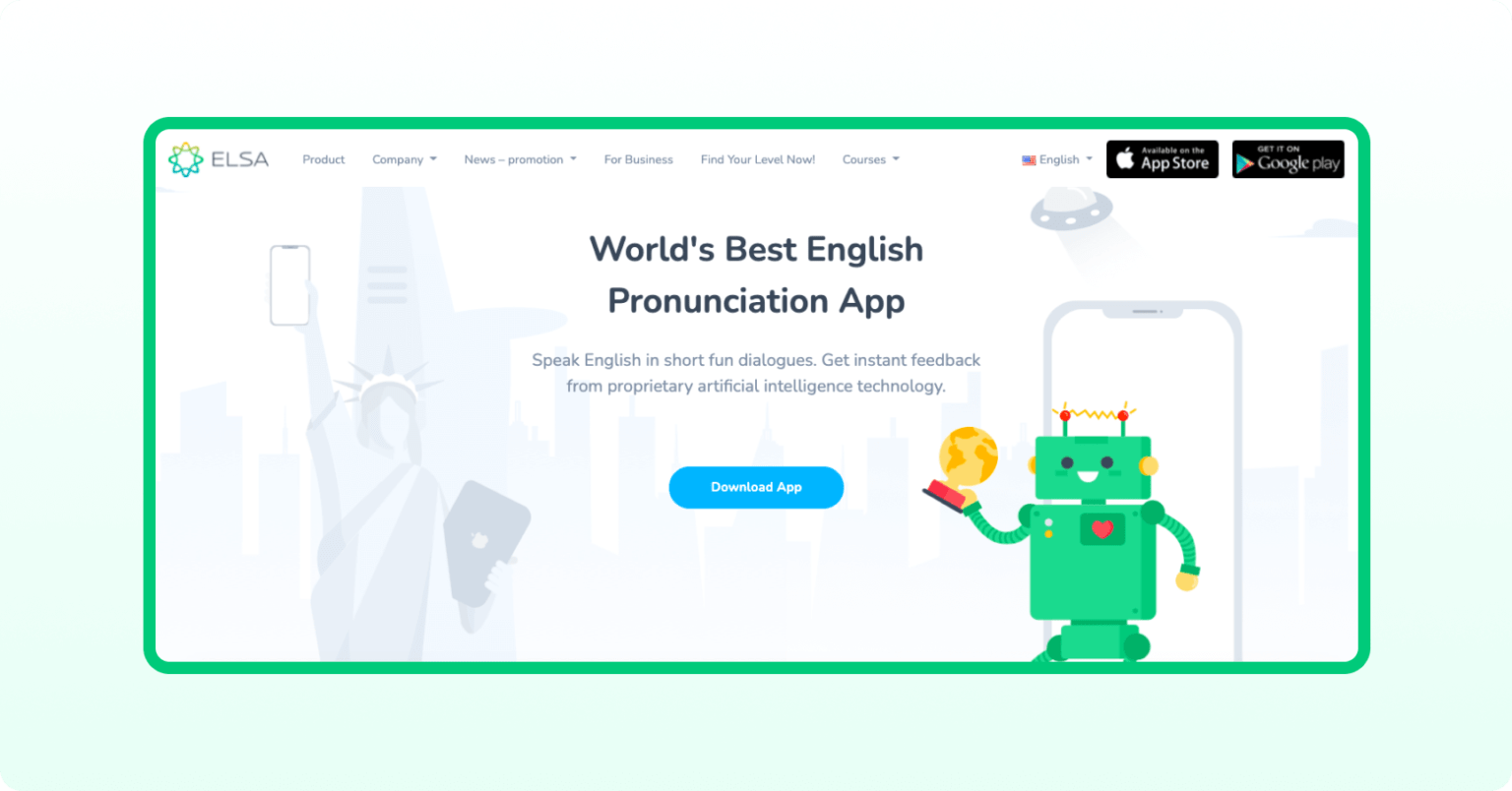
- Speech Recognition and Pronunciation:Tools like Duolingo and Rosetta Stone utilize AI to analyze and improve learners’ pronunciation.
- Personalized Learning Experiences:AI algorithms tailor lessons to individual learning styles and paces.
- Chatbots and Virtual Tutors:AI-driven chatbots provide conversational practice and instant feedback.
The Future Trends in the AI for Language Learning
- Hyper-Personalization
AI will push the boundaries of personalized learning further. Future systems will not only adapt to learners’ pace but also to their interests, proficiency levels, and even emotional states. These hyper-personalized experiences will make language learning more engaging and effective.
- Advanced Natural Language Processing (NLP)
NLP is a field of AI concentrated on the commerce between computers and humans through natural language. Advanced NLP will enable more nuanced and context-aware language learning applications. These applications will understand slang, idioms, and cultural references, providing a richer learning experience.
- Immersive Virtual and Augmented Reality
Combining AI with VR and AR can create immersive language learning environments. Imagine practicing Spanish in a virtual café in Madrid or learning Japanese in a simulated Tokyo market. These experiences will make language learning more contextual and memorable.
- Emotion AI
Emotion AI, or affective computing, can recognize and respond to learners’ emotions. For instance, if a student feels frustrated, the system can adapt by offering encouragement or adjusting the difficulty level. This empathetic approach can significantly enhance the learning experience.
- Lifelong Learning Companions
AI-powered lifelong learning companions will assist users throughout their language learning journey, from beginner to advanced levels. These companions will track progress, provide continuous feedback, and suggest resources, ensuring sustained motivation and improvement.
- Interdisciplinary Learning
AI can integrate language learning with other subjects, making the process more holistic. For example, learning French through history lessons or Japanese through technology news. This interdisciplinary approach can make language learning more relevant and interesting.
Potential Challenges and Ethical Considerations
- Data Privacy and Security
With AI systems collecting vast amounts of data to personalize learning experiences, ensuring data privacy and security will be paramount. Institutions and developers must adhere to strict data protection regulations and ethical guidelines.
- Bias in AI Algorithms
AI algorithms can inadvertently perpetuate impulses present in the data they are trained on. This could lead to biased language content or unfair assessment of learners. Nonstop monitoring and updating of AI systems are necessary to alleviate these pitfalls.
- Accessibility and Inclusivity
While AI has the potential to democratize language learning, it could also widen the gap between those with access to technology and those without. Ensuring that AI-powered tools are accessible and inclusive for all learners is crucial.
- Dependence on Technology
An over-reliance on AI tools might diminish traditional language learning skills, such as writing and memorization. A balanced approach that integrates AI with traditional methods is essential for comprehensive language learning.

Opportunities for Educators and Institutions
- Enhanced Teaching Methods
AI can assist educators by providing insights into students’ learning patterns and challenges. Teachers can use this data to tailor their instruction methods, making them more effective.
- Efficient Assessment and Feedback
AI can streamline the assessment process, providing instant feedback and identifying areas for improvement. This can save educators time and allow for more focused and personalized student support.
- Collaborative Learning Environments
AI can facilitate collaborative learning by connecting students with peers worldwide for language exchange and practice. These global interactions can enrich the learning experience and foster cultural understanding.
Case Studies and Success Stories
- Duolingo
Duolingo uses AI to epitomize assignments and give instant feedback on pronunciation and alphabet. Its gamified approach has made language learning fun and accessible for millions.
Babbel employs AI to tailor lessons to individual learning goals and proficiency levels. Its conversational practice feature helps learners gain practical language skills.
Memrise leverages AI to enhance vocabulary acquisition through spaced repetition and multimedia content. Its focus on real-life language usage makes learning more practical.
Conclusion
The future of AI in language learning is promising, with numerous advancements set to make the process more personalized, immersive, and effective. While challenges such as data privacy and accessibility must be addressed, the potential benefits far outweigh the drawbacks. As AI continues to evolve, it will undoubtedly play a pivotal role in shaping the future of language education. Emotion AI can recognize learners’ emotions and adapt the learning experience accordingly, providing support and encouragement when needed.
FAQs
- How does AI improve language learning?
AI improves language learning by personalizing lessons, providing instant feedback, enhancing pronunciation, and creating immersive learning experiences.
- What is the role of NLP in language learning?
NLP enables AI systems to understand and process human language, making language learning applications more context-aware and effective.
- Can AI replace traditional language teachers?
AI cannot replace traditional teachers but can complement their efforts by providing personalized learning experiences and efficient assessment tools.
- What are the ethical concerns with AI in language learning?
Ethical concerns include data privacy, algorithmic bias, and ensuring accessibility for all learners.
- How can AI create immersive learning experiences?
AI can combine with VR and AR to create virtual environments where learners can practice languages in contextually rich settings.
- Will AI make language learning more accessible?
AI has the potential to democratize language learning, but efforts must be made to ensure that AI tools are accessible and inclusive for all learners.